
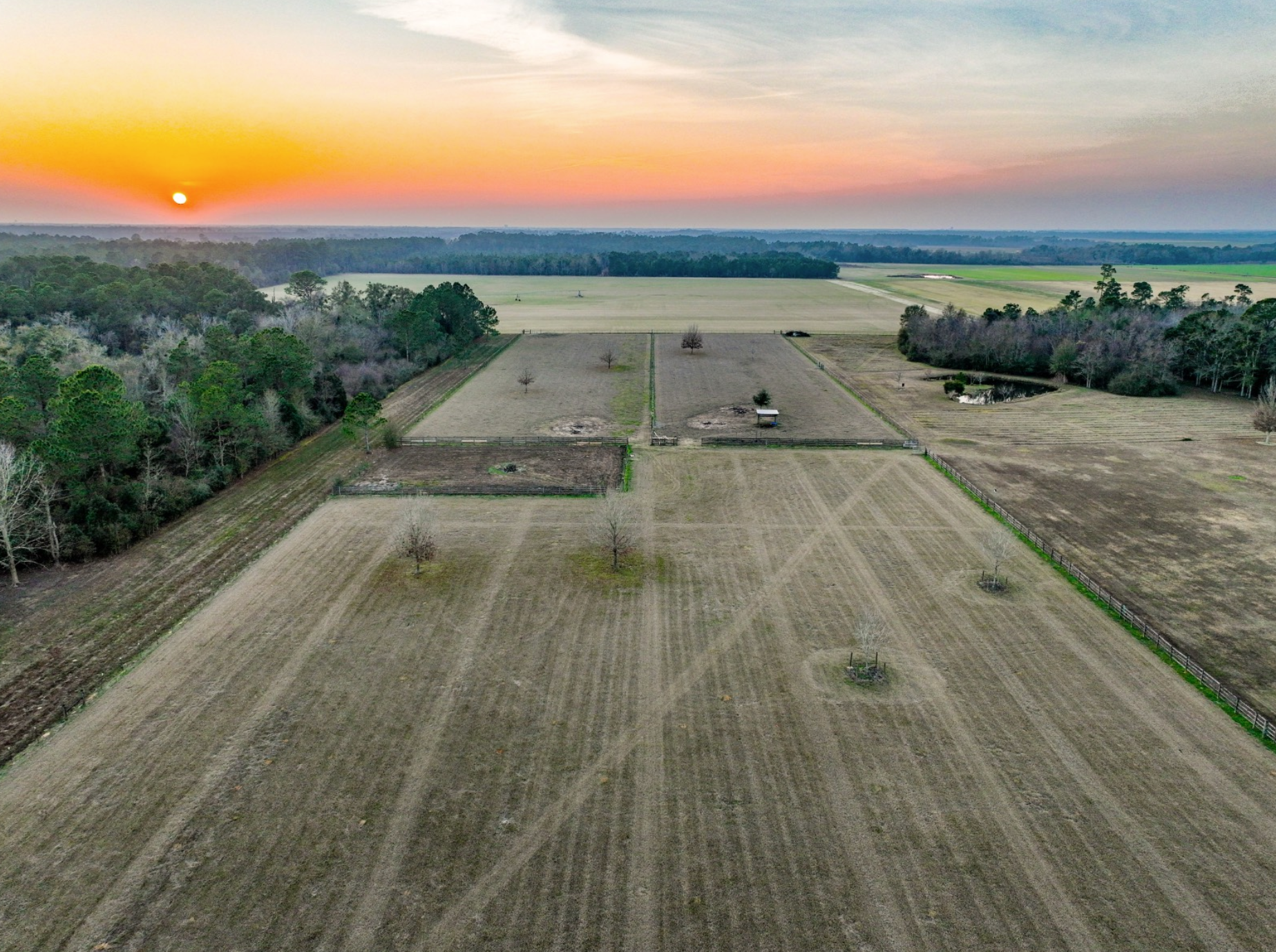
Across Alabama, the 2026 drought has quickly become one of the most pressing issues facing farmers, landowners, and rural communities. What should be a season of growth has instead turned into a test of resilience, as dry conditions impact everything from crop production to cattle operations, and even how land is managed.
For those who make a living from the land, or simply own it, the effects are both immediate and far-reaching.
A Tough Season for Row Crop Farmers
Spring is a critical time for planting in Alabama, but drought conditions have created major challenges for dryland row crop producers. Without consistent rainfall, farmers are facing:
-
Delayed or uneven germination due to lack of soil moisture
-
Hard, compacted ground that makes planting difficult
-
Increased risk of reduced yields for crops
Timing is important in agriculture. When rain doesn’t come at the right time, even well-managed farms can see reduced productivity. In some cases, farmers are forced to replant or invest in irrigation, both of which add significant costs.
Strain on Cattle and Livestock Operations
Cattle farms across Alabama are also feeling the pressure. Healthy pastureland depends on regular rainfall, and without it:
-
Grass growth slows, limiting natural forage
-
Pond and water sources drop, creating concerns for livestock hydration
-
Supplemental feeding increases, driving up operational costs
Many producers are having to feed hay earlier than normal, cutting into reserves that are typically saved for later in the year. For smaller operations, especially, this can put real financial strain on the business.
Burn Bans and Increased Wildfire Risk
One of the most serious side effects of the drought has been the rise in wildfire danger. In response, the Alabama Forestry Commission has issued fire alerts and burn restrictions across much of the state. These restrictions often include:
-
Limited or suspended burn permits
-
Bans on debris burning and land clearing fires
-
Increased enforcement and penalties for violations
In extreme conditions, a full “No Burn Order” may be put in place, effectively stopping all outdoor burning activities.
For landowners, this is a significant limitation. Springtime prescribed burning is one of the most effective tools for improving wildlife habitat, managing understory, and maintaining healthy timber stands. Without it, land management becomes more difficult, and fuel loads can build up, potentially increasing future wildfire risk.
What This Means for Landowners
Even if you’re not actively farming, drought conditions still impact how your land performs and how it can be used.
Key considerations include:
-
Timber vulnerability: Dry conditions increase wildfire risk and stresses trees
-
Wildlife movement: Deer and turkey often shift toward remaining water sources
-
Recreational use: Hunting patterns and habitat conditions may change
-
Production: Productivity of farmland or recreational land can be affected
For buyers and sellers, this is also a reminder of how important it is to evaluate water sources, soil types, and overall land resilience when making a purchase.
A Resilient Outlook
Drought conditions are nothing new in Alabama, but their impact is always felt most during the growing season. While the current conditions are challenging, Alabama’s farmers and landowners have a long track record of adapting and overcoming challenges each year.
Until meaningful rainfall returns, the focus remains on managing risk and protecting what matters most. Be mindful of fire danger, conserve resources where possible, and stay informed on local burn restrictions.
At RF Properties, we understand how land and rural homes perform in every season. If you’re considering buying or selling rural property, we’re here to help you navigate the process with confidence.

Connect with us