
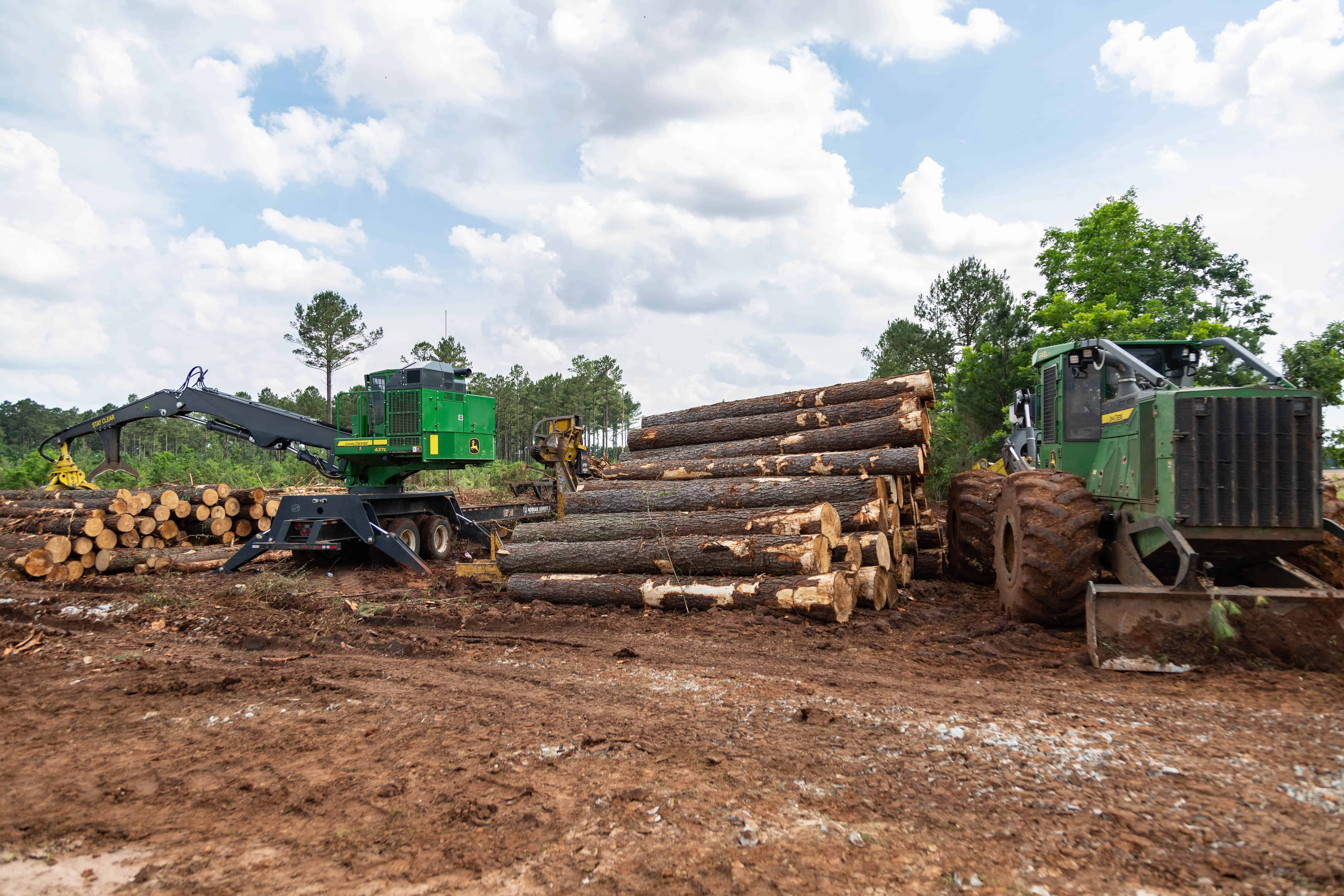
Timberland has long been one of the most valuable and versatile land investments in the Southeast. Whether you’re buying timberland for capital appreciation, hunting, recreation, or income, or preparing to sell a tract you already own, understanding the unique factors that influence timber value can make or break a deal.
Unlike residential real estate, timberland value is tied not only to location and acreage, but also to the quality, species, age, and marketability of the timber itself. Here are some practical tips to help both buyers and sellers navigate timberland transactions with confidence.
Understanding What Makes Timberland Valuable
Before diving into buyer and seller strategies, it’s important to understand some of the key drivers of timberland value, including:
-
Timber species and mix (loblolly pine vs. longleaf pine vs. hardwoods)
-
Age and growth stage of timber
-
Stocking and density
-
Accessibility and logging conditions
-
Soil quality and composition
-
Current timber market conditions
-
Road frontage and internal road systems
-
Recreational and hunting potential
A tract with well-managed, mature pine plantations and healthy hardwood bottoms may command a premium compared to raw land with little or poorly managed timber.
Tips for Buyers
1. Get a Professional Timber Appraisal
One of the most important steps for buyers is obtaining a timber appraisal from a qualified forester. A timber cruise and valuation can:
-
Estimate the volume and value of merchantable timber
-
Identify species composition and age classes
-
Highlight potential harvest timelines
-
Reveal management opportunities and risks
A timber appraisal helps buyers better understand the true investment potential of the property, and make a more informed offer.
2. Confirm Timber Rights Transfer
Not all land sales include full timber rights. In some cases, previous owners may have:
-
Sold timber rights separately
-
Executed timber deeds or cutting contracts
-
Reserved timber rights in a prior transaction
Buyers should ensure the purchase contract and title work clearly confirm that timber rights transfer with the property at closing. This is a critical step that should be reviewed with a real estate professional and closing attorney.
3. Evaluate Access and Harvest Feasibility
Timber value is influenced not just by what’s growing on the land, but by how easily it can be harvested. Buyers should consider:
-
Road access for logging equipment
-
Terrain and drainage
-
Proximity to mills and markets
-
Easements and rights-of-way
Even high-quality timber can lose value if access is limited or harvesting conditions are difficult.
4. Understand the Timber Management Timeline
Timberland is a long-term investment. Buyers should understand:
-
When thinning or final harvest may occur
-
Replanting and management costs
-
Potential income from hunting leases or interim uses
A forester or land specialist can help buyers map out a realistic timeline for returns.
5. Look Beyond Timber Alone
Many timberland tracts offer additional value beyond timber, including:
-
Hunting and recreational use
-
Potential homesites
-
Agricultural potential
-
Water access
Savvy buyers evaluate timberland as a multi-purpose asset, not just a timber harvest opportunity.
Tips for Sellers
1. Obtain a Timber Appraisal Before Listing
For sellers, a timber appraisal may be just as important. Knowing the value of your timber helps you:
-
Price the property accurately
-
Defend your asking price with data
-
Make decisions more confidently
-
Market the property more effectively
A professional timber cruise can reveal value that may not be obvious to recreational buyers.
2. Clarify Ownership and Rights
Before listing timberland, sellers and agents should verify:
-
That they own the timber rights
-
Whether any timber deeds, leases, or reservations exist
-
Whether timber is planned to be harvested
Clear documentation of timber rights builds buyer confidence and prevents delays during due diligence.
3. Highlight Value in Marketing
Effective timberland marketing goes beyond acreage and location. Sellers should ensure listings highlight:
-
Timber types and estimated values
-
Age classes and management history
-
Road systems and access points
-
Recreational features such as creeks, hardwood bottoms, and wildlife habitat
Well-presented timber data can significantly increase buyer interest and perceived value.
4. Work With a Land and Timber Specialist
Timberland transactions require specialized knowledge. Working with a real estate professional who understands land and timber markets can help sellers:
-
Reach qualified buyers
-
Price the property correctly
-
Navigate timber-related questions and negotiations
-
Maximize overall sale value
Timberland as an Investment
Whether buying or selling, timberland should be viewed as a long-term asset that combines financial return with lifestyle value. With proper due diligence and professional guidance, timberland can be one of the most rewarding land investments in the Southeast.
At RF Properties, we specialize in land and timber tracts across Alabama. If you’re considering buying or selling timberland, our team can help you evaluate opportunities, understand timber value, and navigate the process with confidence. Call us today to see what's available in your desired size and budget!

Connect with us