
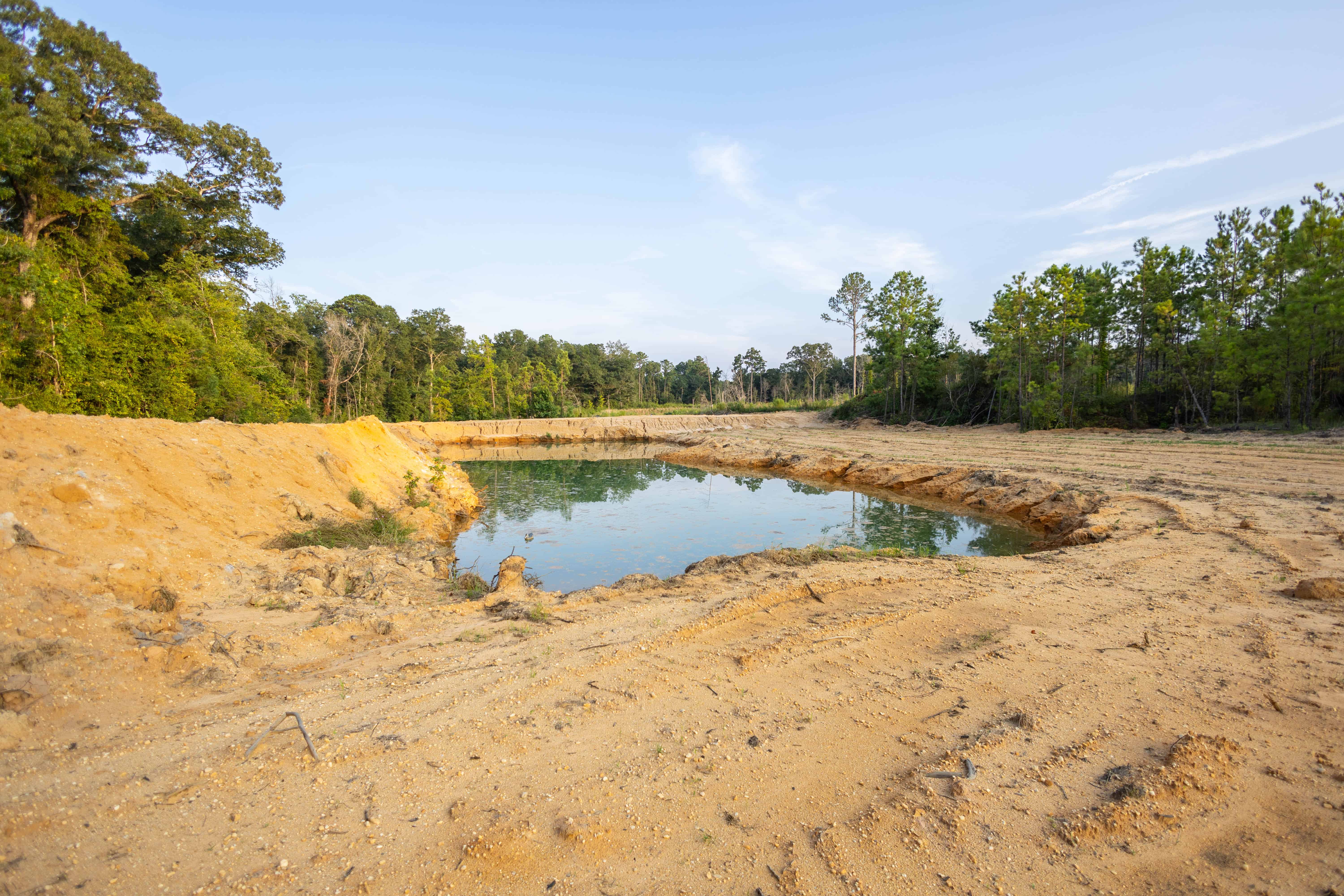
When buying or selling land, most people focus on acreage, location, and surface features like timber, pasture, or improvements. However, what lies beneath the surface can be just as important. Mineral rights can significantly impact land value, future use, and long-term income potential. Understanding how mineral rights work and how to navigate them properly is essential for landowners and buyers alike.
At RF Properties, we believe informed clients make better decisions. Here’s what you need to know about mineral rights and how to protect your interests.
What Are Mineral Rights?
Mineral rights are a form of property ownership that grant the holder the right to explore, extract, and profit from minerals beneath the surface of the land. These minerals can include:
-
Oil and natural gas
-
Coal
-
Limestone and gravel
-
Sand and clay
-
Metallic minerals such as iron or copper
In many cases, mineral rights are considered a separate estate from surface rights. This means one party can own the land itself while another owns the minerals below it.
Surface Rights vs. Mineral Rights
Land ownership is commonly divided into two estates:
-
Surface Rights – The right to use the land’s surface for farming, timber, recreation, or development.
-
Mineral Rights – The right to access and extract minerals beneath the surface.
According to standard property law practices, mineral rights can be sold, leased, or inherited independently of the surface land. This separation is known as a split estate and is common throughout Alabama and much of the southeastern US.
Why Mineral Rights Matter in Real Estate Transactions
Mineral rights can affect a property in several important ways:
1. Property Value
Land that includes mineral rights may carry a higher market value, especially in areas with known or potential resource development.
2. Land Use Limitations
If mineral rights are owned by a third party, they may have the legal ability to access the land for exploration or extraction, sometimes even without surface owner consent, depending on state law and deed language.
3. Income Potential
Owning mineral rights can provide passive income through leases, royalties, or production payments.
4. Financing and Title Concerns
Lenders and title companies can require clarity on mineral ownership, especially for large acreage or rural tracts.
Do You Automatically Own Mineral Rights?
Not always. In many land transactions, mineral rights have been previously severed and retained by a prior owner. According to common real estate practices, a deed must explicitly state that mineral rights are being conveyed; otherwise, they may not transfer with the land.
This is why simply owning land does not guarantee ownership of what lies beneath it.
How to Determine Who Owns Mineral Rights
To properly identify mineral ownership, consider the following steps:
-
Review the Deed – Look for language such as “with all mineral rights” or “minerals reserved.”
-
Examine Prior Deeds – Mineral rights may have been reserved generations ago.
-
Conduct a Title Search – A title company or real estate attorney can trace mineral ownership through the chain of title.
-
Consult Professionals – Attorneys and land brokers experienced in rural property can help interpret mineral clauses.
How RF Properties Helps Clients Navigate Mineral Rights
Mineral rights can be complex, but they don’t have to be confusing. At RF Properties, we help clients:
-
Research and understand whether mineral rights are included in a transaction
-
Identify potential risks or opportunities tied to subsurface ownership
-
Coordinate with attorneys, title professionals, and surveyors
-
Market land accurately and transparently to buyers
Whether you are buying a recreational tract, selling family land, or investing in rural property, mineral rights should always be considered.
Final Thoughts
Mineral rights are a critical yet often overlooked component of land ownership. Understanding what you own, what you’re selling, or what you’re buying can protect your investment and prevent future surprises.
If you have questions about mineral rights or are considering buying or selling land, the experienced team at RF Properties is here to help guide you every step of the way.
Call us at RF Properties today to ensure you’re making informed decisions above and below the surface.
Disclaimer: The information provided in this blog is for general informational purposes only and is not intended to constitute legal or financial advice. Mineral rights laws, regulations, and interpretations vary by state, county, and individual property, and circumstances may change over time. RF Properties makes no representations or warranties regarding the accuracy, completeness, or applicability of the information contained herein. Always consult with a qualified real estate attorney, title professional, tax advisor, or other licensed professional familiar with your specific situation and property.

Connect with us