
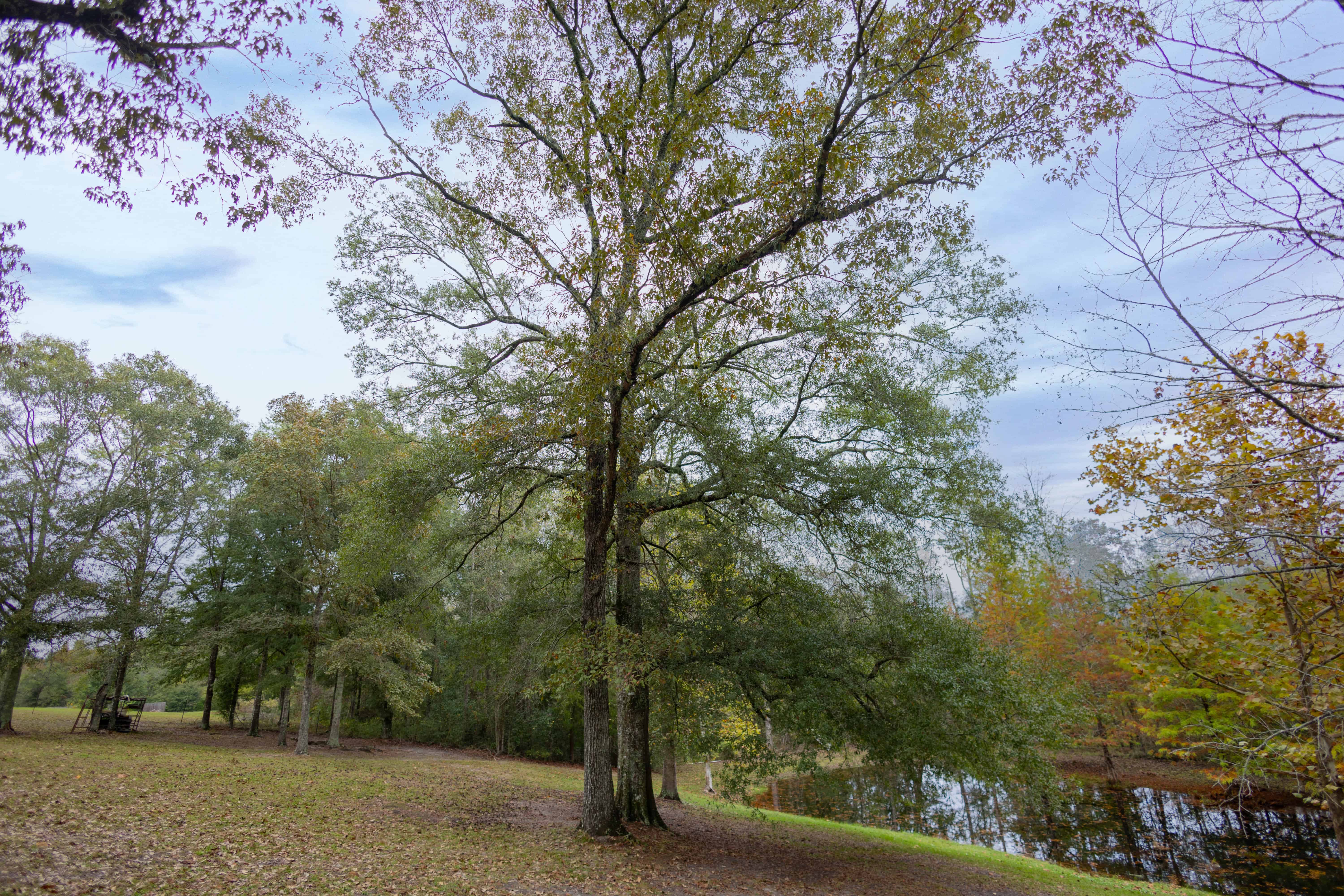
If you're managing land or habitat in the Southeastern United States, planting the right trees can make a major difference for white-tailed deer, wild turkeys, and a host of other native wildlife. Whether you’re creating new food sources, enhancing cover, or just improving biodiversity, selecting native trees that provide both food and cover is key.
This guide highlights the best trees for wildlife habitat in the Southeast, focusing on hard mast, soft mast, and evergreen species that provide food and shelter all year long.
Why Trees Matter for Wildlife
Planting the right trees does more than just look good, it creates a rich, functional ecosystem:
-
Hard mast trees (such as oaks and hickories) produce acorns and nuts that are vital for fall and winter nutrition.
-
Soft mast trees (like persimmons and mulberries) provide fruit during spring and summer, helping sustain wildlife through the warmer months.
-
Evergreen and dense-cover trees give animals protection from predators and the elements, especially in colder weather.
-
Trees also support nesting and roosting sites for birds, including wild turkeys.
Best Trees to Plant in the Southeast for Wildlife
Hard Mast Trees (Acorns & Nuts)
These trees are critical for deer and turkey diets during the fall and early winter, when energy demands are high and food is scarce.
-
White Oak: Produces sweet, highly preferred acorns that drop early in fall. Grows well in upland and bottomland sites.
-
Shumard Oak: A red oak species with reliable acorn production; good for wetter bottomland sites.
-
Swamp Laurel Oak: Fast-growing, found in moist, lowland areas. Produces acorns that support deer and birds.
-
Turkey Oak: Ideal for sandy, well-drained soils. Despite the name, it's not favored by turkeys specifically, but it is a key acorn source for many animals.
-
Hickory species: Produce large, high-fat nuts that are used by squirrels, deer, and turkeys. Slower growing but excellent for long-term habitat quality.
Soft Mast Trees (Fruit-Bearing)
Soft mast provides a more reliable and diverse food source across multiple seasons, attracting a broader range of species including wild turkeys, raccoons, and songbirds.
-
American Persimmon: A top-tier soft mast tree. Its sweet fruit is beloved by deer and turkeys, and it drops fruit into late fall.
-
Mulberry: Produces berries in early summer, drawing in birds and small mammals. Make sure to plant native varieties to avoid invasive issues.
-
Crabapple and Wild Apple: Good summer and fall food for deer and turkeys. Choose disease-resistant varieties suited for your soil.
-
Chickasaw Plum: Offers dense cover and sweet fruit that appeals to a wide range of wildlife.
-
Wild Pear: Not native, but can be useful if carefully managed. Produces abundant fruit in late summer/fall.
Trees That Provide Cover and Shelter
Dense foliage, evergreen leaves, or fast-growing structure make these species valuable for bedding, nesting, and roosting.
-
Eastern Red Cedar: Provides dense, evergreen cover year-round. Excellent for winter thermal protection and turkey roosting. Its small berries are eaten by birds.
-
Southern Live Oak: Semi-evergreen tree offering good mast and excellent structure. Its large canopy provides shade and roosting for birds like turkeys and owls.
-
Myrtle Oak: A smaller, evergreen oak that’s excellent for sandy sites and scrub habitats. Provides acorns and dense year-round cover.
-
Redbay: Evergreen coastal tree that offers fruit and dense foliage for birds and small mammals. Be mindful of laurel wilt disease.
-
American Holly: Its thick evergreen leaves create excellent winter cover. Red berries attract birds and provide a winter food source.
-
Wax Myrtle: Semi-evergreen, bushy shrub-like tree that forms dense thickets, ideal for nesting and escape cover. Birds eat the berries, especially in winter.
Riparian or Wetland Trees
Planting near water features or in seasonally flooded areas helps support waterfowl and other wetland wildlife.
-
River Birch: Thrives in wet, bottomland soils. Provides seeds and excellent structure for nesting and perching.
-
Bald Cypress: Iconic swamp tree that supports aquatic life and provides excellent roosting, nesting, and shelter for wildlife along streams and wetlands.
Tree Planting Tips for Habitat Success
-
Mix tree types: Combine hard mast, soft mast, and cover trees to ensure year-round food and shelter availability.
-
Use edge habitat wisely: Plant along field edges, forest openings, and near water to maximize wildlife use.
-
Stagger ages: Mix young and mature trees to ensure long-term mast production and succession.
-
Protect young trees: Use cages or tree tubes if deer populations are high, to avoid over-browsing.
-
Match species to site: Choose trees suited to your soil type (sandy, loamy, clay), moisture levels, and sunlight availability.
Regional Planting Suggestions
To help guide your planting based on local conditions in the Southeast, consider these combos:
-
Coastal Plain / Sandy Soils: Myrtle oak, turkey oak, live oak, redbay, wax myrtle.
-
Piedmont / Mixed Upland Forests: Shumard oak, white oak, hickories, persimmon, mulberry.
-
Wetlands / Bottomlands: Swamp laurel oak, river birch, bald cypress, red maple.
Final Thoughts
Creating a thriving wildlife habitat in the Southeast starts with planting the right trees. By choosing a combination of mast-producing oaks and hickories, fruit-bearing persimmons and mulberries, and evergreen trees like red cedar and live oak, you’ll provide year-round resources for deer, turkey, and many other species. Add thoughtful site selection and ongoing maintenance, and your land will become a magnet for native wildlife in every season. If you are looking to sell or purchase your next piece of hunting land, give the experts at RF Properties a call today!

Connect with us