
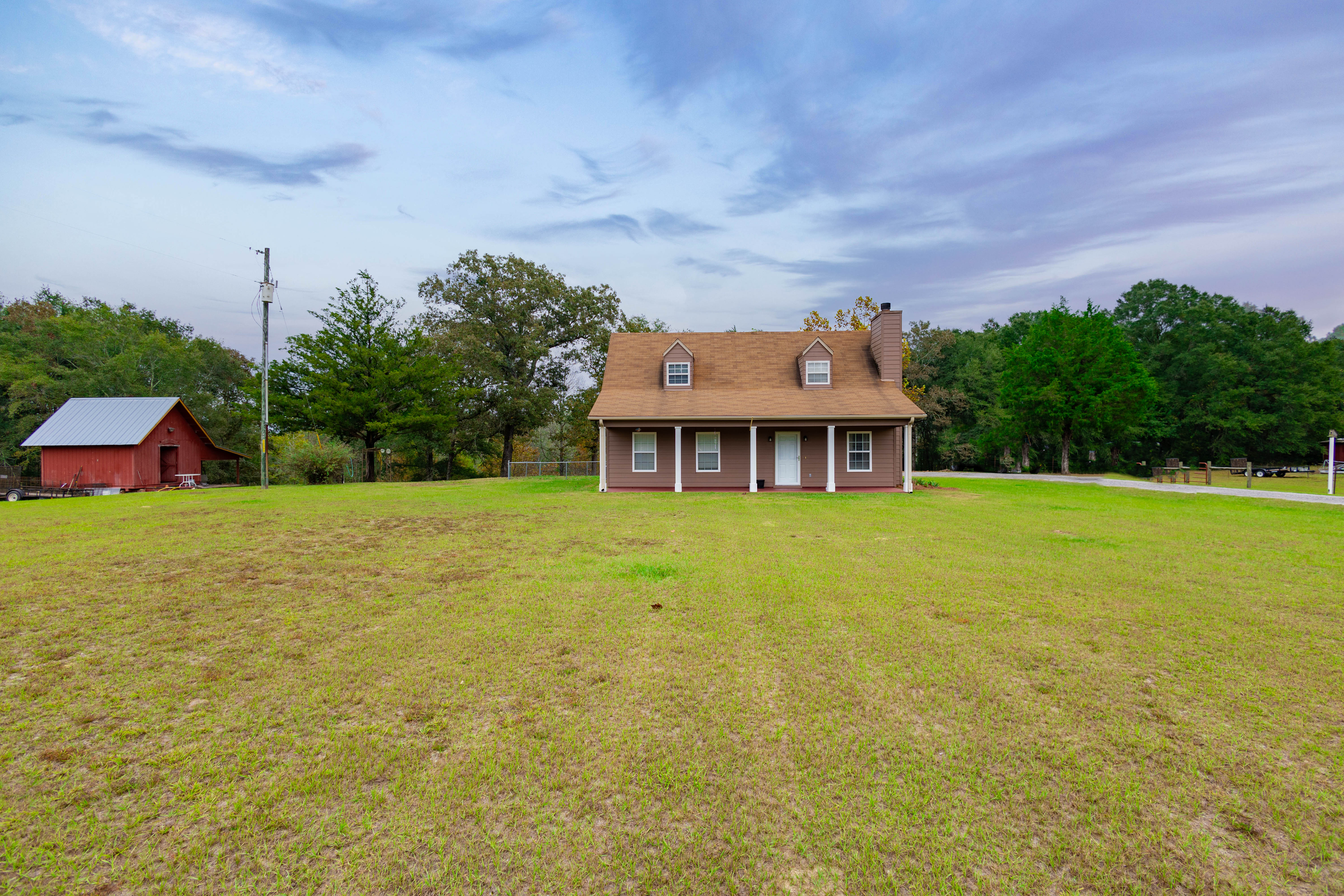
If you're looking to invest in real estate, one of the first big decisions you'll face is whether to buy land or buy a home. While both can be smart investments, they come with entirely different nuances. Understanding these differences can save you time, money, and a lot of headaches down the road.
Here’s a comprehensive guide that breaks down the biggest differences between residential real estate and land purchases, so you can make the most informed decision.
1. Pricing: Square Foot vs. Acre
One of the most obvious differences lies in how properties are priced:
-
Homes are typically priced based on a per square foot basis. Location, condition, and amenities all play a factor in the price. Appraisers and real estate agents compare your prospective home to similar properties recently sold in the area (comps).
-
Land is usually priced based on a per acre basis, but the valuation often depends on several factors such as location, access, condition, utilities, and development potential. Land is also more resilient to market fluctuations.
Just like you can renovate a home to increase its value, you can increase the demand and value of your land by making improvements such as clearing thick brush, maintaining roads, prescribed burning, etc.
2. Value Factors: What Really Impacts Long-Term Value
When assessing value, homes and land come with different influencing factors:
For Homes:
-
Condition and age of the structure (roof, foundation, HVAC, etc.)
-
Interior finishes (kitchen, flooring, bathrooms)
-
Local comps
-
School districts
-
Curb appeal
For Land:
-
Location and Zoning (residential, commercial, agricultural)
-
Timber value (for wooded land)
-
Income potential (farming, leasing, hunting rights)
-
Water frontage (increases recreational or aesthetic value)
-
Access and road systems
-
Availability of utilities (power, water, etc.)
These value drivers for land are more complex and often require deeper research or professional evaluation.
3. Inspections & Due Diligence: Home vs. Land
When it comes to inspections, the process is more standardized for homes—but arguably more critical for land.
Types of Home Inspections:
-
General home inspection (roof, HVAC, plumbing, electrical, etc.)
-
Wood infestation report (WIR)
-
Septic inspection (if on septic system)
-
Survey
-
Appraisal (required for most loans)
Land Due Diligence May Include:
-
Boundary survey (to confirm acreage and property lines)
-
Topography map
-
Zoning and restrictions
-
Soil test / Perc test (for septic feasibility)
-
Well water viability
-
Environmental assessments (wetlands, flood zones)
-
Access rights (easements, road maintenance agreements)
Land buyers must often assemble a team of specialists and may need to work with local municipalities to confirm that the property meets their intended use.
4. Financing Options: Home Loans vs. Land Loans
Financing is another area where the two types of purchases differ drastically.
Buying a Home:
-
Eligible for FHA, VA, USDA, and conventional loans
-
Down payments as low as 0-5% with some government-backed loans
-
Longer terms (15–30 years)
-
Lower interest rates and discount points
Buying Land:
-
Often requires conventional or land-specific loans
-
Larger down payments (typically 15–25% depending on the lender)
-
Different terms and interest rates
-
May need to have a plan for use
In some cases, owner financing may be an option, especially for motivated sellers.
5. Access, Utilities, and Infrastructure: A Bigger Deal with Land
One of the biggest mistakes land buyers make is assuming they’ll have access to the same infrastructure as developed properties. Unlike buying a home in a neighborhood, where utilities and road access are a given, land purchases often require unique due diligence:
-
No utilities? You’ll need to factor in the cost of running electric lines, drilling a well, or installing a septic system.
-
No road access? You may need to negotiate an easement or build an access road.
-
Internet access? Relatively limited in rural areas, important for remote workers.
These costs should be part of your financial planning from the start.
Final Thoughts: Which Is Right for You?
Buying a home and buying land are two very different paths in real estate. One offers the comfort of a move-in ready property and more flexible financing, but often is a more complex transaction; the other offers freedom, potential to build, and long-term capital growth, but with unique nuances.
If you value:
-
Turn-key comfort
-
Predictable financing
-
Less time and work
Then buying a home might be your best option.
But, if you’re looking for:
-
Investment opportunities
-
Development freedom
-
Long-term value potential
Then buying land could be the right move, just be prepared for the unique planning and maintenance required.
Ready to Make a Move?
Whether you're looking for your dream country home or the perfect tract of land, working with an experienced real estate agent who understands both sides of the market can make all the difference.
Contact RF Properties today to get expert guidance on your next real estate investment, whether it be a home or land.

Connect with us