
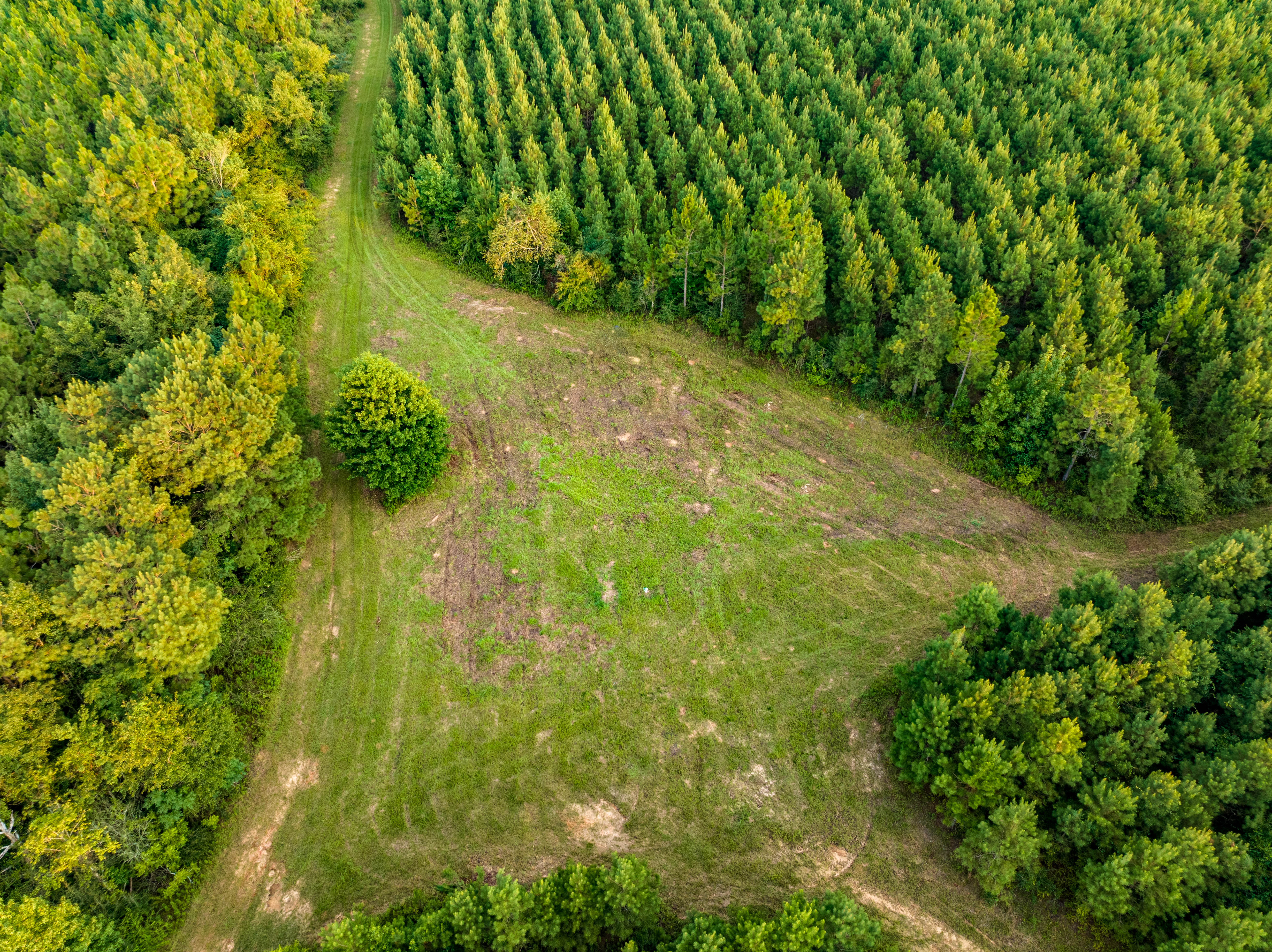
Creating effective food plots doesn’t have to be complicated. With the right timing, preparation, and practices, you can support wildlife from deer to turkeys and quail throughout the year.
1. Choosing the Right Location
-
Use aerial mapping tools (OnX, Spartan Forge, Land id) to strategically plan your plot spots.
-
Select open, accessible, well-drained spots like logging ramps, woodland roads, or old fields. Avoid poorly drained land and areas in full public view.
-
Strategically locate your plots along travel corridors or near bedding cover or other food sources, such as oak ridges, to increase harvest potential.
2. Clearing & Preparing the Soil
-
Conduct a soil test to determine pH and nutrient needs. This is critical for planting success.
-
If soil pH is below 6.0, apply the recommended amount of lime. Note that lime can take time to adjust pH, so plan ahead.
-
Clear existing vegetation by mowing and applying glyphosate (plus 2,4-D for tough weeds), prior to planting.
-
Use tillage (plowing or disking) followed by a drag or cultipacker to create a smooth, firm seedbed, or opt for no-till drills when available to conserve moisture and reduce erosion.
3. Seasonal Planting Guide
Spring (March–May)
-
Ideal for warm-season legumes and high-protein forages like soybeans (May 1–June 1) and corn (April–May), great for antler growth, fawn development, and energy.
-
Spring plots establish quickly if planted just before rains—timing around a ½-inch rain can dramatically boost germination.
-
Also plant warm-season legumes like cowpeas, lablab, and lespedeza in late spring to sustain summer nutrition.
Summer (June–August)
-
Maintain and replant spring plots as needed. Watch for moisture, fertilize, and manage weeds.
-
Continued fertility is critical. Plant when rainfall is likely to support establishment.
Fall (August–November)
-
Cool-season crops planted at least 45 days before first frost provide winter through spring forage.
-
Recommended species include oats, wheat, rye, and clovers (crimson, arrowleaf) as well as brassicas like turnips, radishes, and rape.
-
Mixing grains and clovers helps ensure continuous use. Grains green up quickly; clovers follow and sustain longer usage.
4. Wildlife-Specific Considerations
-
White-tailed Deer benefit from legumes in spring, cereal grains in fall, and brassicas into winter providing protein, carbs, and energy throughout the year.
-
Turkeys, quail, and small game enjoy plots with native plants like lespedeza, clovers, and small grains. These also offer cover and insect habitat.
5. Maintenance Tips
-
Fertilize and lime according to soil test results.
-
Weed control: Identify species early, use targeted herbicide or mowing. Watch for fall armyworm infestations between August and November; scout and treat promptly.
-
Year-round productivity: Rotate annual and perennial plantings, spread out plot ages, and overseed as needed to avoid forage gaps.
6. Why This Works for Southeast Alabama
This guide aligns with local conditions such as mild winters, sandy or acidic soils and provides highly adaptable crop selections and timings that complement Alabama’s climate and growing windows. Relying on services such as the Alabama Cooperative Extension System and local expertise ensures you’re making smart decisions for your soil, land, and wildlife.
Ready to Take the Next Step?
With smart site selection, soil prep, and the proper plantings, you can create productive food plots year-round.
To get started on your property, or to purchase your own hunting land, contact RF Properties. We can recommend wildlife and land management specialists who can help design your perfect food-plot system from soil tests and planting schedules to crop mixes personalized for your acreage and wildlife goals. We can also help you find the perfect piece of hunting land that fits your needs and budget!
Reach out today to get started boosting habitat, enhancing your land, and growing healthier wildlife.
Sources:
Alabama Cooperative Extension System – Cool-Season Food Plots for Deer: Planning, Planting & Maintenance
https://www.aces.edu/blog/topics/forestry-wildlife/cool-season-food-plots-for-deer-planning-planting-maintenance
Alabama Extension – Plantings for Wildlife
https://www.aces.edu/blog/topics/forestry-wildlife/plantings-for-wildlife
Alabama Extension – Alabama Planting Guide for Forage Legumes
https://www.aces.edu/blog/topics/forages-livestock/alabama-planting-guide-for-forage-legumes
North American Whitetail – Southern Food Plot Planting Strategies
https://www.northamericanwhitetail.com/editorial/southern_food_plot_planting_strategies/263545
Mississippi State Extension – Plant Food Plots in Late Winter for Deer
https://extension.msstate.edu/news/feature-story/2000/plant-food-plots-late-winter-for-deer
Mississippi State Extension – Plant Warm-Season Food Plots for Deer
https://extension.msstate.edu/news/extension-outdoors/2015/plant-warm-season-food-plots-for-deer

Connect with us