
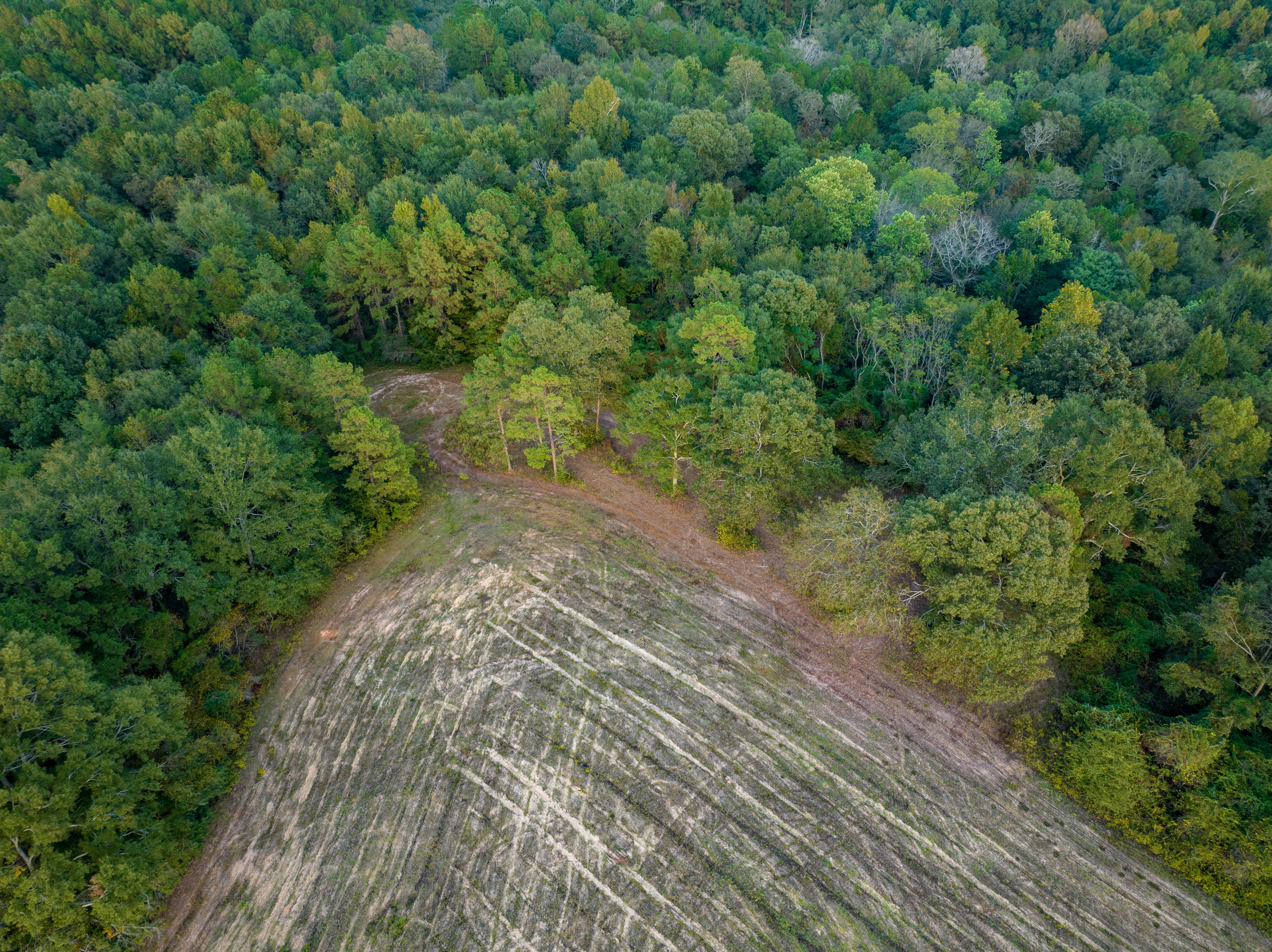
If you're a current or future landowner, you might be considering: Should I enroll my land in a conservation program? Whether you own farmland, timber land, or open land, conservation programs offer financial incentives, tax benefits, and environmental protections. But are they appropriate for you?
In this blog, we’ll cover the pros and cons of land conservation programs, explore the most popular USDA options like CRP, EQIP, and CSP, and help you determine whether enrolling your land is feasible. Keep in mind that funding for these programs is limited, so depending on your area and type of program you are seeking, you may or may not be eligible for funds.
What Is a Land Conservation Program?
A land conservation program is a voluntary agreement where landowners commit to preserving the natural resources on their land. These programs are typically administered by federal agencies like the USDA Natural Resources Conservation Service (NRCS), state conservation departments, or land trusts.
Types of Land Conservation Programs
There are several types of conservation programs depending on your goals:
1. Conservation Easements
These are legal agreements that permanently limit uses of the land to protect its conservation values. The land remains privately owned, but the easement is often held by a land trust or government entity.
Best for: Landowners who want to ensure long-term ecological protection and gain tax advantages.
2. Government Incentive Programs
Programs like the Conservation Reserve Program (CRP), Environmental Quality Incentives Program (EQIP), and Conservation Stewardship Program (CSP) pay landowners to implement conservation practices or retire environmentally sensitive land.
Best for: Farmers and landowners looking to improve soil, water, and wildlife habitat while still using the land productively.
3. Wetlands and Wildlife Preservation
Some programs specifically target habitat protection for endangered species or wetland restoration, such as the Wetlands Reserve Easement (WRE).
Best for: Land with high ecological value or at-risk wildlife habitat.
Top USDA Conservation Programs Explained
If you're looking to benefit from government support while preserving your land, the following three programs are worth serious consideration:
Conservation Reserve Program (CRP)
What it is:
CRP pays landowners to retire environmentally sensitive land from production and establish conservation-friendly vegetation like native grasses or trees.
Key Benefits:
-
Annual rental payments
-
Cost-sharing for planting and maintenance
-
Reduced soil erosion
-
Improved water quality and wildlife habitat
Best for: Landowners with marginal or flood-prone cropland, or land suited for restoration (e.g., pollinator plots, riparian buffers).
Commitment: Typically 10–15 years
Environmental Quality Incentives Program (EQIP)
What it is:
EQIP offers financial and technical assistance to help landowners install and maintain conservation practices on working lands.
Key Benefits:
-
Custom-fit solutions for farms, ranches, and forests
-
Addresses issues like erosion, nutrient runoff, and livestock impact
-
Helps fund cover cropping, fencing, irrigation improvements, and more
Best for: Active producers wanting to reduce input costs, enhance sustainability, and stay operational
Commitment: 1–2 years
Conservation Stewardship Program (CSP)
What it is:
CSP rewards farmers and landowners who are already practicing conservation and want to go even further. It offers annual payments for maintaining current practices and adopting new enhancements.
Key Benefits:
-
Encourages full-farm ecosystem management
-
Supports practices like rotational grazing, no-till farming, and pollinator habitat development
-
Predictable, long-term payments
Best for: Land stewards already doing conservation work and looking to enhance their land’s resilience and value
Commitment: 5-year contracts with renewal options
Benefits of Enrolling Your Land in a Conservation Program
Financial Incentives
Many conservation programs offer cost-sharing, annual rental payments, or enhancement payments that help offset operational costs.
Tax Advantages
Certain programs and conservation easements can offer federal income tax deductions, property tax relief, and estate tax benefits. Contact a land-savvy tax professional to find out how it could affect you.
Environmental Impact
Conservation supports clean water, healthy soil, carbon sequestration, and wildlife habitat restoration.
Drawbacks to Consider
Limited Funding
With the new administration’s goal of cutting federal program spending, funds for conservation programs have been reduced greatly, meaning less dollars to go around and reducing the likelihood of being approved for funding.
Restricted Land Use
Some programs, especially conservation easements, limit development or even certain types of agriculture or recreation.
Long-Term Commitment
Programs like CRP and CSP often require multi-year or long term agreements. Make sure you’re ready for that time horizon of commitment.
Market Value Considerations
While conservation programs can increase ecological and recreational value, some restrictions may reduce the land's resale value to developers or certain buyers.
Is a Conservation Program Right for You?
Ask yourself:
-
Do I want to protect the natural features of my land?
-
Am I okay with limiting future development?
-
Do I want to reduce my tax liability or need financial help with conservation projects?
-
Is legacy and environmental stewardship important to me?
If you answered yes to most of these, enrolling your land in a conservation program may be appropriate.
How to Get Started
-
Define your goals: Are you looking for income, environmental restoration, or long-term protection?
-
Evaluate your land’s eligibility: CRP, EQIP, and CSP all have different requirements.
-
Contact your local NRCS office: They can help assess your eligibility and suggest the right programs.
-
Consult legal and tax professionals: Before enrolling, get advice on long-term financial and legal implications.
Final Thoughts
Enrolling your land in a conservation program can be a powerful way to protect natural resources, generate income, and preserve your legacy. Whether you’re managing farmland, ranchland, or forested property, there’s likely a conservation program that fits your goals.
From the set-aside benefits of CRP, to the hands-on improvements through EQIP, to the whole-farm stewardship of CSP, each program brings something unique to the table.
Interested in learning more?
Start by contacting the land pros at RF Properties who can put you in touch with your local USDA NRCS or Farm Service Agency (FSA) office to determine if you are eligible and the best program to fit with your land and management goals.

Connect with us