
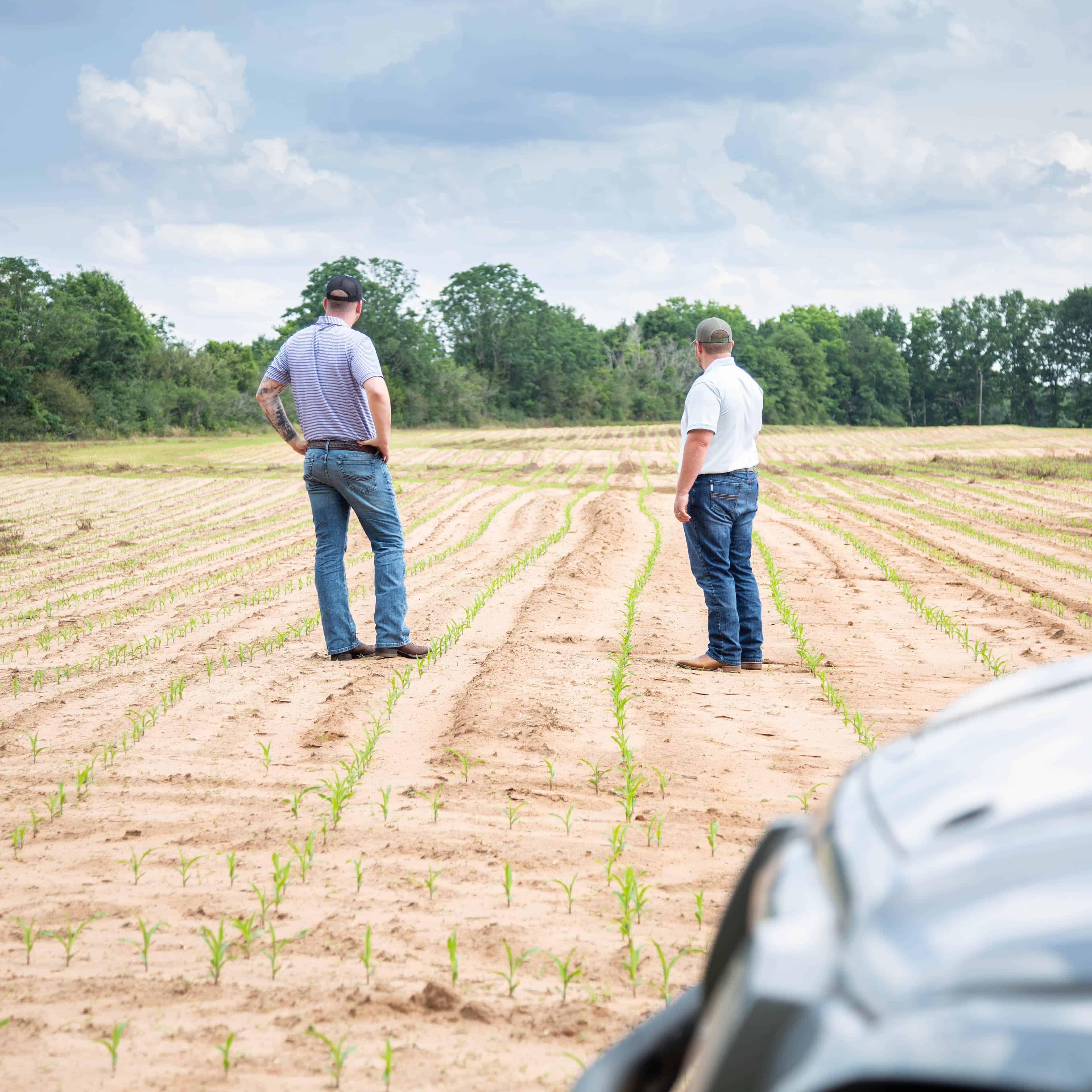
Leasing land in Southeast Alabama is a great method for generating income, utilizing unused acreage, and supporting agricultural and recreational industries. Whether you're a landowner or a tenant, understanding the economics of land leasing is essential for maximizing profitability, managing risks, and preserving land value. Southeast Alabama offers unique opportunities and important considerations for both farming and hunting leases.
Types of Land Leases in Southeast Alabama
Land leases in this region generally fall into two broad categories:
-
Agricultural Leases – Used for row crops, livestock/hay production, or sod farming.
-
Hunting Leases – Used for recreational access to hunt deer, turkey, waterfowl, and small game.
Each type carries its own economic implications, legal requirements, and land management needs.
Agricultural Lease Types in Southeast Alabama
Farming leases vary depending on land characteristics, water availability, and the type of production involved. Here are the most common types in Southeast Alabama:
1. Row Crop Lease
-
Crops: Cotton, peanuts, corn, soybeans, and small grains.
-
Land Requirements: Well-drained soils like Dothan loamy sand or Troup sandy loam (NRCS Soil Survey).
-
Landowner Perspective: May require initial improvements such as clearing or ditching, but offers competitive lease rates.
-
Tenant Perspective: High input costs (seed, fuel, labor), but potential for strong ROI in good crop years.
2. Pasture or Hay Lease
-
Use: Grazing for livestock or for producing Bermuda grass or Bahia hay.
-
Land Requirements: Gently rolling or flat topography, fencing, and water sources like ponds or wells.
-
Landowner Perspective: Lower risk of soil depletion, easier to manage long-term.
-
Tenant Perspective: Lower lease rates but longer leases are common to justify fencing and reseeding.
3. Sod Farm Lease
-
Use: Producing turfgrass for landscaping, golf courses, and sports fields.
-
Land Requirements: Level fields, sandy or loamy soil, full sun exposure, and irrigation infrastructure.
-
Landowner Perspective: Potential for higher lease rates, but soil may need reconditioning post-lease.
-
Tenant Perspective: Capital-intensive, but profitable with proper markets and management.
Hunting Lease Types in Southeast Alabama
Southeast Alabama boasts abundant wildlife and vast tracts of private land ideal for hunting leases. From whitetail deer to Eastern wild turkey, demand is strong for both seasonal and year-round access.
1. Annual Hunting Lease
-
Overview: Lessee pays a yearly fee for exclusive access.
-
Landowner Perspective: Steady annual income, minimal management.
-
Tenant Perspective: Control over stand placement, game management, and habitat improvement.
2. Seasonal Lease
-
Overview: Covers a specific hunting season, commonly deer (Oct–Jan) or turkey (March–May).
-
Landowner Perspective: Ability to lease multiple seasons to different parties.
-
Tenant Perspective: Lower cost, more flexibility, but limited use.
3. Hunting Club Lease
-
Overview: Multiple members form a club and lease a property together.
-
Landowner Perspective: Higher lease income, but requires well-drafted contracts and management rules.
-
Tenant Perspective: Shared costs, shared duties, ideal for large tracts.
Key Economic Factors to Consider
Whether you're leasing land for farming or hunting in Southeast Alabama, consider these critical factors that affect value and performance:
1. Soil Type and Land Productivity
-
Loamy sands and silty clay loams are most prominent in the region.
-
Soil fertility directly impacts potential crop yields, pasture health, or turfgrass quality.
-
Tip: Consult a recent NRCS Soil Survey and run a soil test via Alabama Cooperative Extension before leasing.
2. Land Improvements
-
For Farming: Clearing, irrigation, fencing, and terraces.
-
For Hunting: Food plots, shooting houses, access roads, and game feeders.
-
Improvements made by the lessee may warrant longer leases or cost-sharing.
3. Habitat and Wildlife Management
-
Mixed pine/hardwood forests, wetlands, and upland habitats attract diverse wildlife.
-
Leased properties with active wildlife management plans and have been well maintained often command higher hunting lease rates.
4. Location and Accessibility
-
Tracts near larger cities, close to main roads, with good soils, or historically good hunting are more desirable and accessible.
-
Remote tracts may lease for less but appeal to specialized users.
5. Legal and Liability Considerations
-
Always consult with a legal professional to draft lease agreements.
-
Use a lease agreement with terms including:
-
Duration
-
Payment terms
-
Rights and restrictions
-
Liability waivers and insurance requirements
-
-
For hunting clubs, include guest policies, harvest limits, and dispute resolution procedures.
Economics for the Landowner vs. the Tenant
Landowner Benefits:
-
Passive income stream without labor.
-
Possible tax advantages.
-
Land maintenance through lessee investments.
Landowner Risks:
-
Potential for property damage.
-
Management or legal oversight required.
-
Market fluctuation in lease demand or prices.
Tenant Benefits:
-
Access to productive or recreational land without buying.
-
Opportunity to grow a farm or establish a hunting presence.
-
Potential to test land before committing long-term.
Tenant Risks:
-
No equity in land.
-
Risk of non-renewal or early termination.
-
Responsibility for all operating or habitat costs.
Final Thoughts
The economics of leasing land for farming or hunting in Southeast Alabama involve a mix of soil science, legal agreements, habitat management, and strong partnerships. With proper planning and clear agreements, both lessors and lessees can benefit economically.
Whether you're leasing out 100 acres of row crop land near Headland or offering timberland access to a hunting lease outside Ozark, it’s crucial to understand the full picture. Call the land agents at RF Properties if you're looking to buy land to lease, or to formulate a plan and put you in touch with the right professionals who will make the most out of your land lease.
Helpful Resources & References
-
Alabama Cooperative Extension System: https://www.aces.edu
-
USDA National Agricultural Statistics Service (Alabama): https://www.nass.usda.gov/Statistics_by_State/Alabama/
-
Alabama Department of Conservation & Natural Resources (Hunting): https://www.outdooralabama.com
-
NRCS Web Soil Survey: https://websoilsurvey.sc.egov.usda.gov
-
Alabama State Bar – Agricultural Law Section: https://www.alabar.org

Connect with us